
.png&w=1920&q=75)



What Is Microsoft Dynamics 365 Consulting?
Most organizations do not start with a Dynamics 365 application. They start with a business problem such as disconnected systems, inefficient processes, limited visibility, or an ERP or CRM environment that no longer supports how the business operates.
Microsoft Dynamics 365 consulting helps turn those challenges into a clear technology and transformation strategy. A Dynamics 365 consultant assesses current systems, processes, data, and business requirements to determine where ERP, CRM, analytics, automation, Copilot, and AI can create the most value.
Organizations typically engage Dynamics 365 consultants to replace legacy systems, consolidate applications, implement or improve ERP and CRM, or redesign processes. The focus is on prioritizing what to modernize, what to retain, and how Dynamics 365 should be structured across applications, architecture, and integrations.

What Does Dynamics 365 Need to Solve for You?
Different leaders evaluate Dynamics 365 through a different lens. Finance may be focused on control and visibility, operations on efficiency, IT on architecture and modernization, and leadership on enterprise value. Our consulting approach brings those priorities together and translates them into clear technology and transformation decisions.
CEO / Transformation Leader
Key Decisions:
- What should we modernize first?
- Are we getting enough value from our ERP and CRM investments?
- Where can Dynamics 365, automation, Copilot, and AI have the greatest impact?
We help determine:
Transformation priorities, investment roadmap, business case, modernization sequence, and measurable outcomes.
CFO / Finance Leader
Key Decisions:
- Is the current ERP supporting the visibility, control, and agility finance needs?
- Is Business Central or Dynamics 365 Finance the better fit?
- Where can we reduce manual finance processes and improve reporting?
We help determine:
Best-fit ERP, finance process improvements, reporting architecture, automation opportunities, and investment case.
CIO / IT Leader
Key Decisions:
- Should the organization optimize, migrate, or reimplement?
- Which customizations should stay, change, or be retired?
- How should Dynamics 365, Power Platform, Fabric, Azure, and existing systems fit together?
- Is the technology foundation ready for Copilot and AI agents?
We help determine:
Target architecture, modernization path, customization strategy, integration model, data readiness, governance, and AI roadmap.
COO / Operations Leader
Key Decisions:
- Where are current systems slowing operations?
- Can Microsoft Dynamics 365 improve supply chain, manufacturing, service, or fulfillment?
- Which workflows should we automate first?
We help determine:
Process gaps, operational priorities, Microsoft Dynamics 365 capabilities, automation opportunities, and an outcome-led modernization roadmap.
Sales & Customer Experience Leader
Key Decisions:
- Is our CRM helping teams sell, serve, and retain customers more effectively?
- How should sales, service, customer, and ERP data connect?
- Where can automation and AI improve customer-facing processes?
We help determine:
CRM strategy, application fit, customer data architecture, process automation, and priority AI use cases.
Dynamics 365 Advisory & Consulting Capabilities

Dynamics 365 Strategy & Roadmap
Start with a clear view of where your business is today and where Dynamics 365 can add the most value. We assess current systems, business priorities, transformation goals, and technology needs to identify the right applications, workloads, and modernization path.

ERP & CRM Assessment
Understand what is working, what is holding you back, and where modernization can create the most value. We assess your current ERP and CRM environment across processes, applications, customizations, integrations, technical debt, and user adoption.

Application & Platform Selection
Make the right platform choices before complexity gets built into the solution. We assess business needs, existing applications, cloud direction, and future priorities to determine the best fit across Business Central, Microsoft Dynamics 365 Finance, CRM applications, and other Microsoft or non-Microsoft platforms.

Solution & Enterprise Architecture
Your Dynamics 365 environment needs to connect applications, data, integrations, security, and governance without adding unnecessary complexity. We help define the right architecture across ERP, CRM, enterprise data, and connected systems.

Migration & Modernization Strategy
Modernization is not always a simple migration decision. We help assess whether to migrate, reimplement, or redesign parts of the existing environment based on business priorities, system complexity, technical debt, and future requirements.

Data, Analytics & AI Advisory
Turn data and AI investments into a clearer business roadmap. We assess data readiness, analytics priorities, and the role of Microsoft Fabric, Power BI, Copilot, and AI agents across your Microsoft Dynamics 365 environment.

Optimization & Value Realization
Go live should be the start of value realization, not the end of the transformation. We assess Dynamics 365 across processes, adoption, automation, system performance, and business outcomes to identify improvement opportunities and prioritize what should come next.
Consulting Across the Microsoft Business Platform
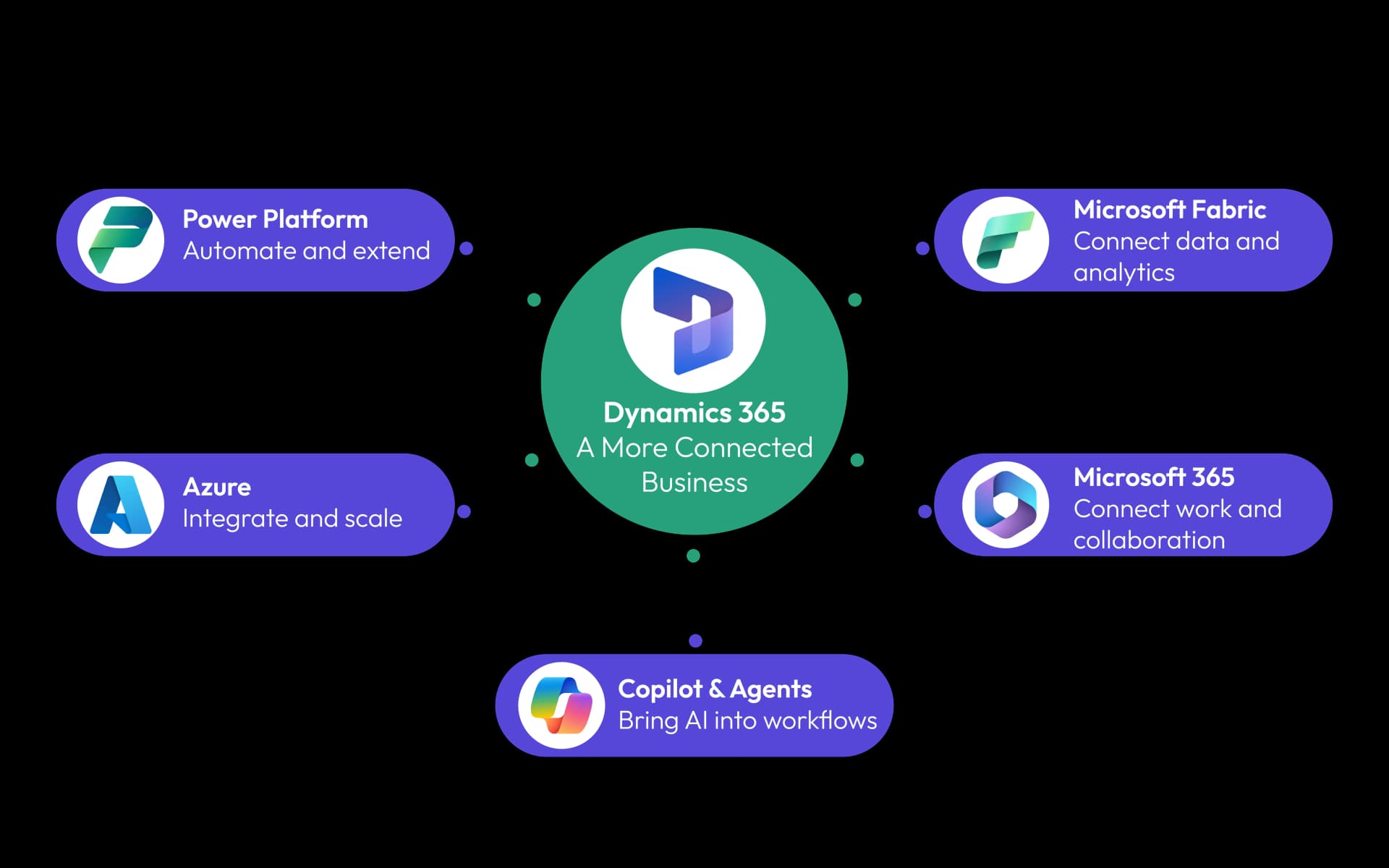
Microsoft Dynamics 365 decisions rarely sit within ERP or CRM alone. We look across the broader Microsoft platform to help align applications, data, automation, cloud, and AI with your business priorities.









What If You Need Both?
Our team can take you from assessment and strategy through implementation, migration, integration, adoption, and ongoing optimization. We can also provide focused advisory support while your internal team or existing delivery partner manages implementation.
Why Korcomptenz for Dynamics 365 Consulting?

Advice backed by delivery experience
We bring hands-on experience across ERP, CRM, migration, integration, modernization, and support to every consulting engagement.

ERP and CRM expertise
Capabilities span Business Central, Finance, Supply Chain Management, Sales, Customer Service, Field Service, and Customer Insights.

The Wider Microsoft Ecosystem
We bring Dynamics 365 together with Power Platform, Microsoft Fabric, Azure, Microsoft 365, Copilot, and AI agents.

Business and Technology Together
We look at Dynamics 365 through both a business and technology lens, aligning processes and priorities with architecture, data, integrations, and operational needs.

From Strategy to Sustained Value
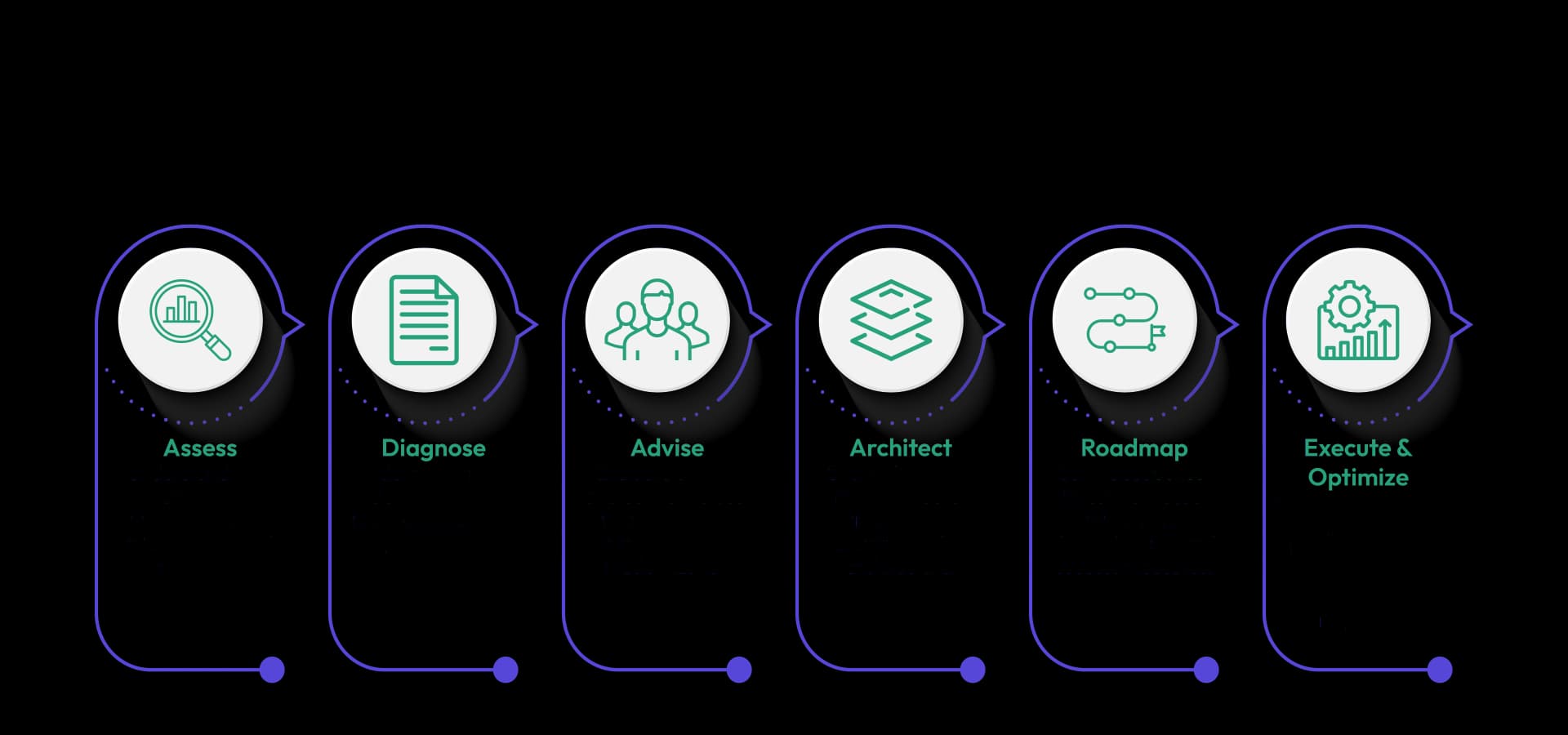
We support the journey from assessment and roadmap through migration, implementation, integration, automation, AI, and ongoing optimization.
21+
1000+
8+
Trusted

Five Questions to Ask a Dynamics 365 Consulting Partner
- Do they understand your business processes, or only Dynamics 365 configuration?
- Can they advise across ERP, CRM, data, integration, automation, and AI?
- Will they challenge unnecessary customization and complexity?
- Can they demonstrate measurable outcomes from similar transformation programs?
- Can they support and optimize your environment after the consulting engagement ends?
The right Microsoft Dynamics 365 consulting partner should bring clarity to complex decisions and help you build a roadmap that aligns technology investments with business priorities and long-term value.
Start with a Dynamics 365 Decision Workshop
Get clarity on the decisions shaping your Dynamics 365 journey before committing to the next phase.
Microsoft Dynamics 365 Consulting FAQs
At its core, Dynamics 365 consulting brings business process and platform expertise together to shape the right ERP, CRM, data, and modernization decisions. It can span initial assessment, platform selection, roadmap development, implementation planning, and optimization across ERP, CRM, analytics, automation, and AI. The goal is to create a clear direction for Dynamics 365 that supports current business priorities while giving the platform room to evolve as needs change.
A Dynamics 365 consultant works with business and technology teams to understand requirements, assess current processes, identify gaps, and determine how Dynamics 365 should support the organization. The role can include application selection, process design, solution architecture, configuration guidance, data and integration planning, testing, adoption, and helping teams make informed decisions throughout the transformation.
The best time is often before major platform, architecture, or modernization decisions have been finalized. Organizations typically engage a consultant when replacing a legacy ERP or CRM, evaluating Dynamics 365 applications, planning a migration, entering new markets, or improving an existing Dynamics environment that is no longer meeting business needs.
Consulting focuses on determining what should be done and why. It covers areas such as requirements, application fit, architecture, modernization options, priorities, risks, and roadmap. Implementation turns those decisions into a working solution through configuration, development, integrations, data migration, testing, training, deployment, and go-live. Many organizations use both as part of the same transformation.
Yes. The choice should be based on more than company size. Business Central is typically suited to growing and mid-market organizations, while Dynamics 365 Finance supports more complex enterprise and global financial requirements. A consultant can evaluate processes, legal entities, reporting, integrations, operational complexity, scalability, localization, licensing, and future plans to determine the better fit.
Yes. The right approach depends on your current ERP or CRM environment, business requirements, technical debt, data, integrations, customizations, and future priorities. We assess what should be retained, simplified, replaced, or redesigned and help determine whether an upgrade, migration, or reimplementation offers the strongest path forward without carrying unnecessary legacy complexity into the new environment.
Yes. Dynamics 365 increasingly sits within a broader Microsoft business platform. Consulting can include Power Platform, Microsoft Fabric, Azure, Power BI, Copilot, and AI agents alongside ERP and CRM. This may cover data readiness, integration architecture, automation opportunities, analytics strategy, AI use-case prioritization, governance, security, and how these technologies should work together across the enterprise.
Dynamics 365 consulting costs vary based on the scope and complexity of the engagement. Factors can include the applications involved, number of business units or locations, process complexity, integrations, data, customizations, and the depth of assessment required. A focused discovery or assessment engagement can help define priorities, deliverables, effort, and the right commercial model before a larger transformation begins.
