.png&w=1920&q=75)


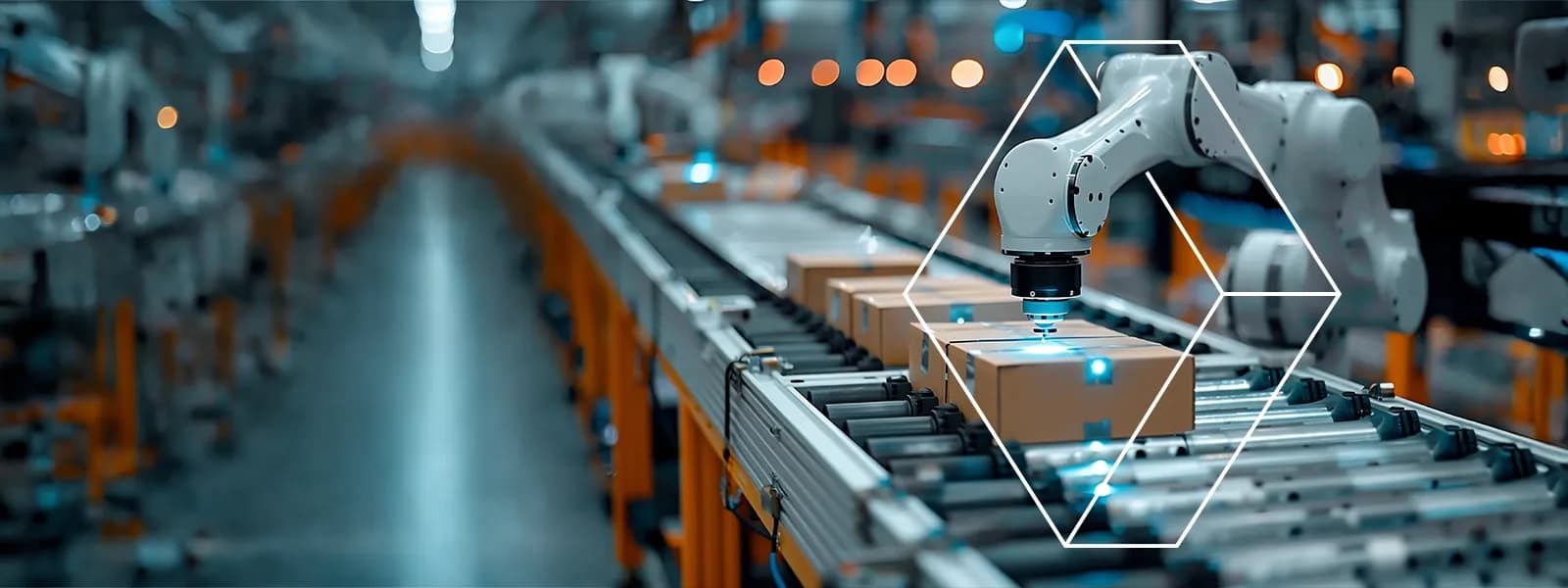


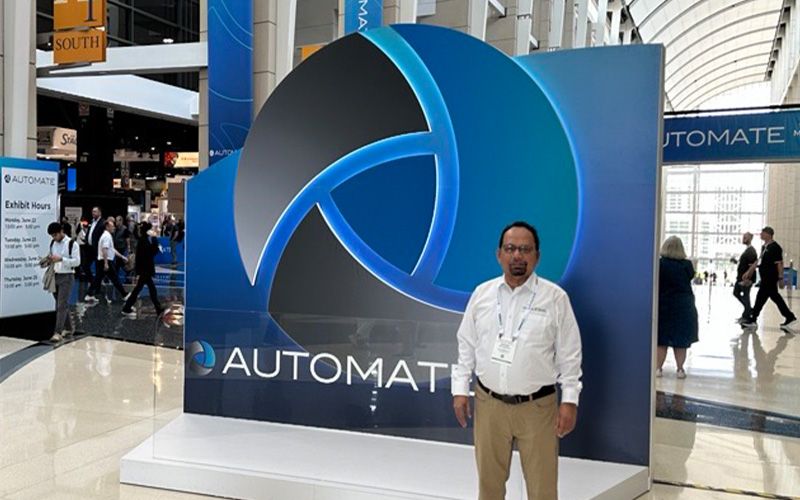
Automate 2026 in Chicago made one thing clear to me. Manufacturing AI is no longer a future conversation. It is moving onto the factory floor, into production environments, and closer to the decisions that shape quality, throughput, cost, and uptime.
You could feel it the moment you stepped onto the show floor. Robotics, machine vision, digital twins, industrial software, intelligent sensors, and physical AI were everywhere. But the real story was not any single technology. It was how quickly these technologies are beginning to work together and how far the conversation has moved beyond the pilots and proof of concepts we were discussing only a few years ago.
A few themes surfaced consistently across the sessions and conversations on the floor.
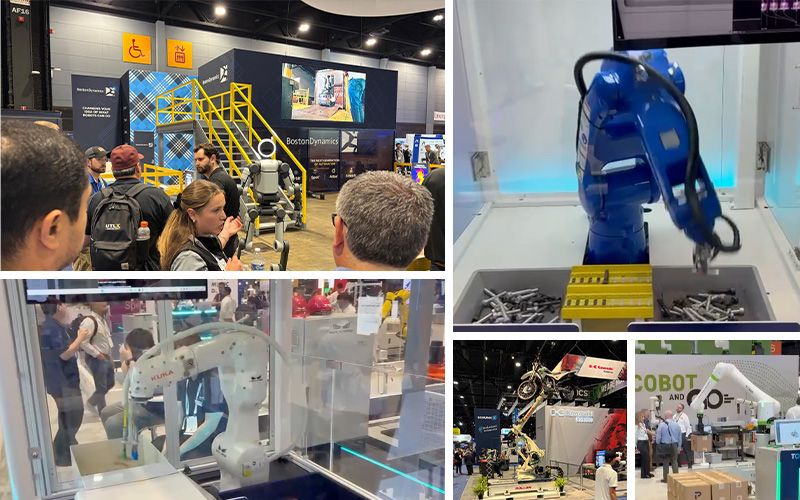
AI is moving into the flow of manufacturing
Physical AI, autonomous systems, intelligent vision, and AI assisted robotics were among the strongest themes across the event. AI is moving beyond isolated pilots and into production environments.
Vision AI is improving quality inspection. AI is enabling more proactive maintenance. Digital twins are bringing simulation closer to production.
But technology alone does not create the outcome. The strongest use cases I heard about began with a defined business problem and a measurable KPI, not with the technology itself. The message across sessions was consistent. Fix the process first, understand the metric, and only then apply AI.
What Powers Agentic AI Behind the Scenes
This is where the conversation went a level deeper, and where I found myself more engaged.
An AI agent may be the visible part of the solution, but its effectiveness depends entirely on the structure around it. Manufacturing data is often spread across machines, PLCs, SCADA platforms, ERP systems, spreadsheets, maintenance applications, and cloud environments. Without the right data structure, context, ownership, and governance, an agent may have access to information without truly understanding what it means.
A strong semantic and data layer helps connect shop floor signals with business context. Newer I/O and edge computing Harware are also simplifying how that operational data is captured and connected, reducing the need for complex hardware architectures. Together, these capabilities allow AI to move from simply identifying an issue to supporting the right decision and action. Several conversations reinforced a point I already believed: you cannot automate what you have not first defined.
IT and OT are becoming part of the same decision flow
Production data can no longer stay isolated on the factory floor. Maintenance, planning, quality, inventory, finance, and customer commitments increasingly depend on the same operational information.
When IT and OT are connected well, AI works well when right data available to understand complete business situation. Machine and operational data can be integrated to manage quality, operations, key process parameters, maintenance requirements, spare part availability, production demand, and the broader business impact. That is where agentic AI starts becoming outcome based rather than simply insight based.
Cybersecurity has to be designed in from the beginning
Greater connectivity also increases exposure. Every machine, edge device, industrial protocol, cloud platform, enterprise system, and AI agent adds another connection that needs to be protected.
What came through clearly this year is that cybersecurity cannot be added after the integration is complete. Network segmentation, secure connectivity, endpoint protection, access controls, monitoring, zero trust principles, and data governance all need to be part of the architecture from the start. This was one of the strongest themes I took away from Automate 2026, and it is a shift from how the shop floor used to think about security.
Software is changing how factories modernize
Another important shift was software defined automation. With industrial equipment often staying in service for decades, modernization cannot simply mean replacing everything.
The more realistic path is to connect existing assets with newer software, edge, cloud, data, and AI capabilities. That creates more flexibility while allowing manufacturers to modernize at a pace that works for their operation. Digital twins, software defined automation, and modern integration are becoming part of that journey, with many of the companies shaping this space actively discussing what comes next.
The Value of Agentic AI is the Outcome
That may be the most important takeaway from Automate 2026. The next phase of manufacturing AI will not be defined by how many agents a company deploys. It will be defined by how well business processes, data architecture, cybersecurity, IT and OTs
Better quality. Higher throughput. Lower downtime. Stronger inventory visibility. More effective maintenance. Lower cost.
The technology is moving quickly. The real opportunity now is to build the foundation that allows agentic AI to deliver dependable, repeatable, and measurable value in manufacturing Industry It Solutions.
Also read: What is Agentic AI?
These are the conversations shaping the next phase of manufacturing AI, and I would welcome the chance to hear your perspective. If any of these themes reflect challenges or opportunities you are working through in your own operations, let's talk. Connect with me directly, or reach out to the team at Korcomptenz to explore how we can help you build the foundation for outcome based AI.
Register Now for: Microsoft Community Conference 2026